
After a motor vehicle accident, it's crucial to understand that vertebrae misalignment can occur, leading to significant pain and discomfort. This article delves into the intricacies of managing such issues stemming from crash-related injuries. We explore the understanding of vertebrae misalignment, its evaluation and diagnosis, and provide insights on effective treatment options tailored for motor vehicle accident victims. By addressing spinal alignment concerns promptly, victims can accelerate their road to recovery.
- Understanding Vertebrae Misalignment After Crashes
- Evaluating and Diagnosing Spinal Alignment Issues
- Effective Treatment Options for Motor Vehicle Accident Victims
Understanding Vertebrae Misalignment After Crashes
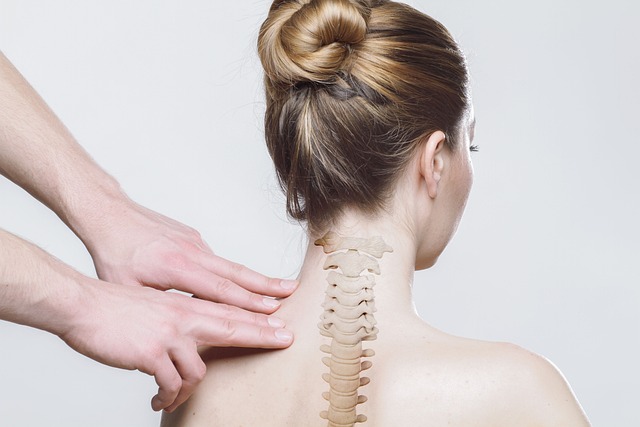
Vertebrae misalignment after a crash is a common concern, often resulting from the sudden forces experienced during a motor vehicle accident. The spine is composed of individual vertebrae that normally maintain a precise alignment, supporting the head and body while allowing for flexibility. In a collision, these vertebrae can be jolted out of their natural position, leading to misalignment. This misalignment may not always be immediately apparent, but it can result in significant discomfort and long-term health issues if left unaddressed.
Proper diagnosis is crucial to understanding the extent of any spinal misalignment after a crash. Chiropractors and other healthcare professionals use various techniques, including X-rays and manual examinations, to assess the integrity of the spine. Treatment options often involve adjustments to correct the alignment, along with recommendations for rehabilitation and postural changes to prevent future issues. Maintaining optimal spinal alignment is essential for overall well-being, especially after a traumatic event like a motor vehicle accident.
Evaluating and Diagnosing Spinal Alignment Issues

After a motor vehicle accident, evaluating and diagnosing spinal alignment issues is crucial for comprehensive care. Health professionals typically begin with a detailed patient history to understand the circumstances surrounding the crash and any immediate symptoms experienced. This includes assessing pain levels, numbness, or weakness in the extremities, which could indicate nerve compression related to vertebrae misalignment.
A physical examination is the next step, focusing on range of motion and spinal functionality. Chiropractors, physiotherapists, or orthopedic specialists may employ various techniques like palpation (manual inspection), imaging tests such as X-rays or MRI scans, and specialized instruments to assess spinal alignment accurately. These methods help identify misaligned vertebrae, herniated discs, or other injuries that require specific treatment plans tailored to the patient's needs.
Effective Treatment Options for Motor Vehicle Accident Victims

After a motor vehicle accident, misalignment of the vertebrae is a common concern for many victims. Prompt and effective treatment is crucial to ensure proper healing and restore spinal alignment. Chiropractors are often first-line healthcare providers recommended for such cases, offering non-invasive adjustments to realign the spine and alleviate pain. These chiropractic manipulations can significantly improve mobility and reduce symptoms associated with whiplash and other vehicular injury types.
Additionally, physical therapy plays a vital role in post-crash care. Tailored exercises focus on strengthening spinal muscles and improving flexibility, enhancing overall stability and reducing the risk of future misalignments. In severe cases, medical professionals might suggest advanced treatments like orthopaedic bracing or, as a last resort, surgical intervention for persistent spinal instability. Early engagement in these treatment options can greatly impact a patient's recovery journey.
Vertebrae misalignment after a motor vehicle accident can significantly impact an individual's recovery. By understanding the potential effects and employing effective evaluation methods, healthcare professionals can ensure proper diagnosis and treatment. Effective treatment options, ranging from manual therapy to targeted exercises, play a crucial role in restoring spinal alignment and enhancing the overall well-being of victims. Prompt action and specialized care are essential for optimal outcomes following such incidents.