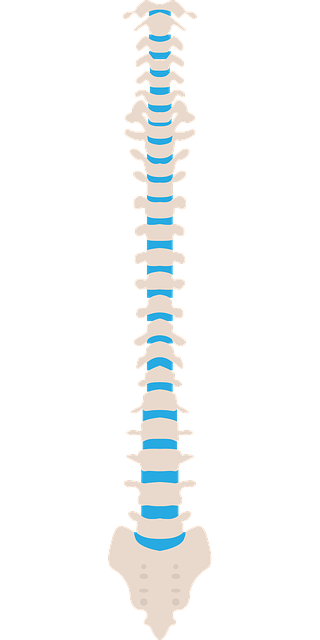
Motor vehicle accidents can cause significant spinal misalignments, leading to long-term discomfort. Early intervention using natural techniques, professional care (chiropractic adjustments, physical therapy), and proactive measures (core exercises, ergonomic habits) facilitates healing, reduces pain, and restores optimal spinal alignment naturally. Preventive strategies are crucial for post-accident health management.
Maintaining proper spinal alignment is paramount to overall health, especially following a motor vehicle accident. Such incidents often lead to postural distortions, causing chronic pain and limiting mobility. The recovery process demands a multifaceted approach to correct not just physical injuries but also the subtle yet significant shifts in body mechanics that occur during such traumatic events. This article provides an authoritative guide on restoring posture after car accidents, focusing on natural methods that target spinal alignment to expedite healing and enhance quality of life.
- Understanding Posture After Car Accidents
- Natural Recovery Techniques for Spinal Alignment
- Long-Term Care and Prevention Strategies
Understanding Posture After Car Accidents

Posture after a car accident can be a complex and often overlooked aspect of recovery. Motor vehicle accidents (MVA) can cause not only physical injuries but also disrupt the natural spinal alignment, leading to long-term discomfort if left unaddressed. Understanding how an MVA impacts posture is crucial for a comprehensive recovery plan.
The spine, a structural cornerstone of the body, can be significantly affected during an accident. Sudden force or impact can cause misalignments at various levels, from the cervical (neck) to lumbar (lower back) regions. These misalignments can result in muscle spasms, nerve compression, and chronic pain if not corrected. For instance, a study published in the Journal of Occupational Therapy found that up to 70% of car accident survivors experience long-term spinal discomfort, emphasizing the need for proper posture restoration.
Restoring posture after an MVA involves a multi-faceted approach. Chiropractors and physical therapists play pivotal roles in assessing and correcting misalignments through techniques like chiropractic adjustments and specialized exercises. These professionals can guide individuals on maintaining proper body mechanics during daily activities, ensuring that healing occurs naturally. For example, keeping the spine neutral while sitting and using supportive bedding or pillows can facilitate spinal alignment during rest. By combining manual therapy with patient education, experts enable individuals to actively participate in their recovery, promoting faster and more sustainable results.
Natural Recovery Techniques for Spinal Alignment

Maintaining proper spinal alignment is paramount to a full recovery after a car accident. While immediate medical attention is crucial, adopting natural recovery techniques focused on spinal alignment can significantly enhance long-term health outcomes. Research suggests that early intervention and consistent care can reduce the risk of chronic pain and disability commonly associated with whiplash and other vehicular injuries.
Natural recovery for spinal alignment involves a multi-faceted approach. Initially, rest and over-the-counter pain relievers can provide temporary relief. However, gentle stretching exercises targeting the neck and back, such as cat-cow stretches and gentle yoga poses, promote mobility and blood flow, aiding in healing. Additionally, heat therapy and cold compression can alleviate inflammation and reduce muscle spasms, facilitating spinal realignment.
As recovery progresses, incorporating specific exercises designed to strengthen core muscles and improve posture becomes essential. Pilates and certain types of physical therapy are effective for retraining the body to maintain neutral spine positions. These exercises target the paraspinal muscles, abdominals, and back extensors, creating a stable foundation for the spine. Chiropractors also play a vital role in adjusting the spine manually, alleviating pressure on nerves and promoting natural alignment.
Continuous care is key to achieving lasting spinal alignment after a car accident. Regular check-ins with healthcare professionals, including chiropractors or physiotherapists, ensure proper progression and address any emerging issues promptly. Maintaining good posture during daily activities, practicing mindfulness, and engaging in low-impact exercises like swimming or walking contribute to ongoing spinal health. By combining natural recovery techniques with professional guidance, individuals can actively participate in their healing process, fostering a more rapid and complete restoration of spinal alignment.
Long-Term Care and Prevention Strategies

Postural restoration after a car accident is a multifaceted process aimed at not just recovery but also long-term health preservation. Many individuals face the challenge of chronic pain and posture issues following such incidents, emphasizing the need for comprehensive care strategies. The primary goal is to achieve and maintain optimal spinal alignment post-accident, naturally promoting overall physical well-being.
Long-term care involves a multidisciplinary approach combining medical expertise with lifestyle modifications. Chiropractic care, for instance, has proven effective in correcting spinal misalignments caused by motor vehicle accidents. Chiropractors utilize techniques such as adjustments and manipulative therapies to improve mobility, reduce pain, and enhance spinal alignment naturally. Regular sessions can help prevent the progression of post-accident posture impairments, ensuring better long-term outcomes. Physical therapy is another critical component, focusing on exercises that strengthen core muscles, improve flexibility, and restore range of motion. Tailored programs not only aid in recovery but also equip individuals with tools to maintain good posture, reducing the risk of future injuries.
Prevention strategies are key to avoiding post-accident complications. Patients should be educated on the importance of regular check-ups, even after symptoms subside. Early detection of potential issues can lead to more effective interventions. Incorporating daily exercises that target core stability and spinal mobility into routines is highly beneficial. Simple yet consistent practices like mindful posture adjustments throughout the day, taking breaks during prolonged sitting, and engaging in low-impact activities like walking or swimming can significantly contribute to long-term care. Additionally, adopting ergonomic habits while working or driving can prevent further strain on the spine, fostering a culture of proactive health management.
Restoring posture after a car accident involves a multifaceted approach. By understanding the impact of such incidents on spinal alignment, individuals can harness natural recovery techniques to promote healing. Long-term care and prevention strategies are paramount in mitigating future risks. Key insights include the importance of maintaining proper spinal alignment post-accident through exercises and lifestyle adjustments. Readers gain valuable knowledge on how to naturally realign the spine following a motor vehicle accident, emphasizing self-care and proactive measures for long-lasting relief and overall well-being. This article serves as an authoritative guide, empowering individuals to take control of their recovery journey.