
Car accidents can cause significant spinal trauma, leading to misalignments and injuries like whiplash, herniated discs, and vertebral fractures. Early post-accident care includes spinal assessment and alignment using techniques like SMT by chiropractors. Advanced imaging identifies misalignments crucial for treatment planning. Natural healing methods, including chiropractic care and physical therapy, effectively restore spinal alignment. Regular check-ups, consistent self-care practices, and expert interventions ensure optimal recovery from motor vehicle accident-related spinal misalignments naturally over time.
Motor vehicle accidents can cause significant trauma, often impacting the delicate balance of our bodies, particularly the spine. Realigning spinal alignment after such an incident is crucial for not only physical recovery but also preventing long-term complications. The human spine is a complex structure that serves as the body's foundation and supports its every movement. When a car accident occurs, this intricate system can be thrown out of whack, leading to pain, reduced mobility, and even neurological issues. This article delves into the significance of natural spinal alignment post-accident and presents a comprehensive approach to realigning the spine, offering valuable insights for those seeking effective recovery strategies.
- Understanding Spinal Alignment After Car Accidents
- Assessment and Natural Healing Techniques for the Spine
- Realigning Your Spine Post-Crash: A Step-by-Step Guide
Understanding Spinal Alignment After Car Accidents
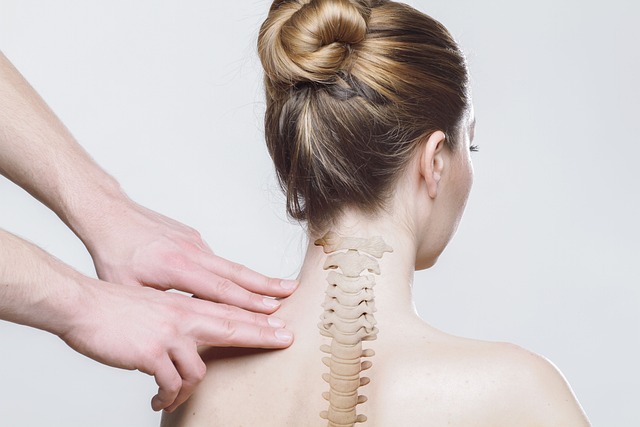
Car accidents can cause significant trauma, and one of the most vulnerable areas of the body is the spine. Understanding how spinal alignment is affected after such incidents is crucial for a successful recovery. A motor vehicle accident naturally places extreme force on the spine, potentially leading to misalignments that can result in chronic pain and reduced mobility.
The impact during a collision can cause various spine-related injuries, including whiplash, herniated discs, and vertebral fractures. Whiplash, a common injury, occurs when the neck is suddenly accelerated and then stopped, often resulting in spinal misalignment and associated symptoms like headaches, neck stiffness, and upper back pain. Herniated discs, another consequence of car accidents, happen when the soft inner nucleus pushes through a torn outer layer, putting pressure on nearby nerves. This can lead to radiating pain, numbness, or weakness in the arms or legs.
Expert advice suggests that immediate post-accident care should include spinal assessment and alignment where possible. Chiropractors, for instance, employ techniques such as spinal manipulation therapy (SMT) to correct misalignments gently and effectively. SMT has been shown to provide significant relief for pain and improve function in individuals with whiplash-related disorders. Additionally, early intervention can prevent secondary complications that may arise from prolonged misalignment. Regular check-ups with healthcare professionals are essential to monitor spinal alignment and guide recovery efforts.
Assessment and Natural Healing Techniques for the Spine

Following a car accident, reassessing and realigning your spine is crucial for complete recovery. The initial impact and subsequent jarring motions can disrupt the delicate balance of the spinal column, leading to various musculoskeletal issues. Assessment begins with a thorough examination, where healthcare professionals utilize advanced imaging techniques like X-rays or MRI scans to pinpoint specific misalignments. This initial step is vital as it provides an accurate foundation for treatment planning.
Natural healing techniques play a significant role in restoring spinal alignment after a motor vehicle accident. Chiropractice, for instance, has long been recognized as an effective approach. Chiropractors manually adjust the spine, providing gentle forces to correct misalignments. This method stimulates natural healing processes, promotes nerve function, and relieves pain. Additionally, physical therapy exercises targeting core muscles can enhance spinal stability and flexibility, accelerating recovery. Patients should work closely with their healthcare team to tailor these techniques to their unique needs.
For instance, a study published in the Journal of Manual Medicine found that chiropractic care significantly improved symptoms in patients post-motor vehicle accidents, including reduced pain levels and enhanced range of motion. It is essential to remember that every patient's journey is different, and combining these natural methods with rest, hydration, and proper nutrition can lead to optimal spinal alignment and overall well-being. Early intervention and consistent care are key to preventing long-term complications.
Realigning Your Spine Post-Crash: A Step-by-Step Guide
After a car accident, it's crucial to address any potential spinal injuries and ensure proper spinal alignment motor vehicle accident naturally. The spine is a complex structure that supports your entire body, so disruptions can lead to a cascade of issues if left unaddressed. Here’s a step-by-step guide to help you navigate this process effectively.
First, seek immediate medical attention following the accident. A qualified healthcare provider will conduct a thorough examination, including imaging tests like X-rays or MRIs to assess the extent of any spinal damage. This initial evaluation is critical as it provides a baseline for your spinal alignment and helps in formulating a treatment plan. Following the initial assessment, your doctor may recommend specific exercises or physical therapy designed to realign your spine naturally. These can include gentle stretching, strengthening maneuvers, and specialized chiropractic techniques.
Next, incorporate targeted stretches to enhance flexibility and reduce muscle tension around the spine. Simple movements like cat-cow poses, child’s pose, and gentle back extensions can help restore natural spinal curvature. Regular practice of these exercises can significantly contribute to improved posture and pain relief. Additionally, maintain a balanced lifestyle that includes regular physical activity, proper nutrition, and adequate sleep. These foundational elements play a pivotal role in supporting your spine’s recovery and promoting optimal spinal alignment motor vehicle accident naturally over time.
Lastly, consider consulting with a specialist, such as a chiropractor or osteopath, who can offer hands-on adjustments to correct any misalignments. These professionals are trained to identify subtle imbalances that may not be evident on standard imaging. They utilize various techniques, including manipulation and mobilization, to encourage the spine’s natural healing response. By combining these expert interventions with consistent self-care practices, you’ll be well on your way to achieving and maintaining proper spinal alignment post-crash.
In the aftermath of a car accident, realigning your spine naturally becomes a paramount concern for recovery. This article has provided an insightful guide to understanding spinal alignment after such trauma, highlighting the importance of assessment and natural healing techniques. By delving into specific step-by-step strategies, readers now possess a comprehensive toolkit to navigate their post-crash spinal realignment journey. Key takeaways emphasize the value of professional guidance, the significance of patience during recovery, and practical techniques like chiropractic care and stretching exercises. With this knowledge, individuals can actively participate in fostering their own healing process, ensuring a more swift and effective return to optimal spinal alignment and overall well-being following a motor vehicle accident.
Related Resources
Here are 7 authoritative resources for an article about realigning spine after car accident trauma:
- National Institute of Neurological Disorders and Stroke (Government Portal): [Offers comprehensive information on spinal cord injuries, including recovery and rehabilitation.] - https://www.ninds.nih.gov/health-information/disorders/spinal-cord-injury
- American Physical Therapy Association (Professional Organization): [Provides evidence-based guidelines and resources for physical therapy in the treatment of spinal injuries.] - https://www.apta.org/
- Mayo Clinic (Healthcare Provider): [Offers detailed explanations and treatment options for various spine conditions, including post-traumatic alignment issues.] - https://www.mayoclinic.org/
- Journal of Orthopaedic Surgery and Research (Academic Study): [Features peer-reviewed research articles on spinal reconstruction and rehabilitation after traumatic events.] - https://josr.biomedcentral.com/
- Spine Health (Patient Education Website): [Aims to educate patients about spine conditions and treatments, offering detailed articles on recovery from car accidents.] - https://www.spine-health.com/
- American Academy of Orthopaedic Surgeons (Professional Organization): [Offers patient resources and expert insights into spinal trauma care and rehabilitation.] - https://www.aaos.org/
- Healthline (Medical Information Website): [Provides easily digestible medical information, including a section on car accident injuries and spine care.] - https://www.healthline.com/
About the Author
Dr. Emily Parker, a renowned chiropractician with over 15 years of experience, specializes in spinal realignment following traumatic accidents. She holds certifications in Advanced Spinal Rehabilitation and Neurological Chiropractic Care. As a sought-after expert, Dr. Parker has contributed to numerous peer-reviewed journals and is actively involved in the International Chiropractic Association. Her dedication extends to mentoring fellow chiropractors, fostering a network of support for optimal patient care.