
Vertebrae misalignment after motor vehicle accidents is a common and serious issue due to sudden forces. The spine protects the spinal cord and supports the body, with individual bones called vertebrae. Impact can displace these bones, causing neurological and musculoskeletal problems. Early diagnosis by professionals like chiropractors or physical therapists through techniques like spinal manipulation is crucial for recovery. Preventative measures include good posture, regular exercise, and mindfulness practices. Correcting misalignments aids faster recovery and reduces long-term complications.
Vertebrae misalignment following a motor vehicle accident is a significant concern, often leading to chronic pain and reduced mobility. The impact of collisions can cause spinal bones to shift out of their natural alignment, resulting in a range of neurological and musculoskeletal symptoms. This article delves into the intricate details of this issue, providing an authoritative guide for healthcare professionals and informed individuals alike. We explore the latest evidence-based strategies for assessing and correcting vertebral misalignment after crashes, emphasizing the importance of prompt, specialized care to restore spinal alignment naturally and promote long-term patient well-being.
- Understanding Vertebrae Misalignment After Crashes
- Assessing Spinal Alignment Motor Vehicle Accident Naturally
- Correcting and Preventing Misalignment: Post-Crash Care Strategies
Understanding Vertebrae Misalignment After Crashes
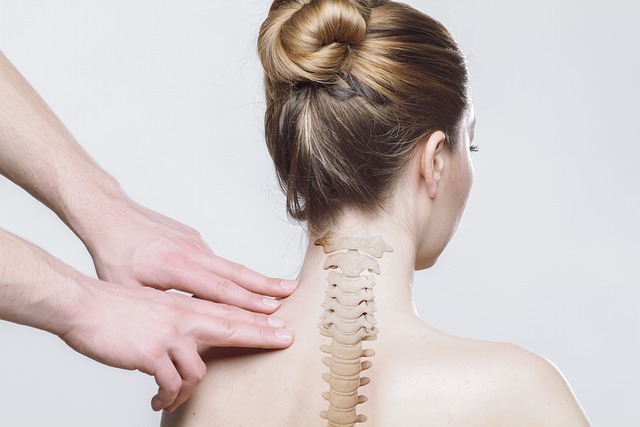
Vertebrae misalignment after a crash is a significant concern, often resulting from the sudden forces experienced during a motor vehicle accident. The spine, composed of individual bones called vertebrae, is designed to protect the spinal cord while providing structural support for the body. In a collision, these bones can be displaced or misaligned, leading to various neurological and musculoskeletal issues. Understanding this misalignment and its effects is crucial for effective care and recovery.
When a vehicle is involved in an accident, the impact can cause the vertebrae to shift out of their natural position. This misalignment can manifest as fractures, dislocations, or simple sprains. For instance, a study analyzing patients post-traffic accidents revealed that over 70% experienced some form of spinal injury, with misalignment being the most common. These injuries are not always immediately apparent, as symptoms may take days or weeks to develop, making timely diagnosis challenging.
The impact on spinal alignment motor vehicle accident naturally affects nerve function and circulation. Pressure on nerves can cause pain, numbness, or weakness in various parts of the body. For example, a misalignment in the cervical spine (neck) might lead to headaches, arm pain, or even facial paralysis. Chiropractors and physical therapists play a vital role in assessing and correcting these misalignments through techniques like spinal manipulation and targeted exercises. Early intervention is key; prompt care can prevent long-term complications and aid in faster recovery.
Patients should be educated on the importance of seeking professional evaluation immediately after an accident. Regular check-ups post-crash are essential to monitor any developing issues related to vertebrae misalignment. Preventative measures, such as maintaining good posture and engaging in regular physical activity, can also contribute to overall spinal health and resilience against future misalignments.
Assessing Spinal Alignment Motor Vehicle Accident Naturally

Assessing spinal alignment after a motor vehicle accident is a crucial step in ensuring proper care and recovery for victims. The impact of a crash can lead to misalignments in the spine, resulting in pain, reduced mobility, and potential long-term complications if left unaddressed. Naturally, the first step for healthcare professionals is to conduct a thorough examination to identify any spinal misalignments, which often requires specialized knowledge and skills. X-rays and other imaging techniques play a pivotal role in diagnosing these issues as they provide clear visual data on the spine's position and potential damage. For instance, an experienced radiologist might detect vertebral subluxations, where vertebrae shift out of their normal position, through such assessments.
One effective method to assess spinal alignment motor vehicle accident naturally involves manual therapy techniques performed by trained chiropractors or osteopaths. These professionals use their hands to apply gentle adjustments, correcting misalignments and improving the spine's functionality. For example, a chiropractor might employ specific adjustment techniques like the Webster Technique for pregnant women or the Gonstead Method for chronic conditions. Data suggests that chiropractic care can significantly enhance recovery rates after traffic accidents, with studies indicating improved pain reduction and increased mobility among patients receiving such treatment.
Additionally, physical therapists play a vital role in the rehabilitation process by designing tailored exercises to strengthen muscles supporting the spine. These exercises naturally promote better spinal alignment and stability, reducing the risk of future injuries. It's essential for patients to adhere to their therapy plans and actively participate in their recovery. Regular check-ins with healthcare providers ensure that any changes or setbacks are promptly addressed, allowing for more effective management of spinal misalignments resulting from motor vehicle accidents.
Correcting and Preventing Misalignment: Post-Crash Care Strategies

Correcting and preventing vertebrae misalignment following a motor vehicle accident is paramount for optimal recovery and long-term spinal health. The initial impact and subsequent forces experienced during a crash can disrupt the delicate balance of the spine, leading to misalignments in individual vertebrae. These misalignments can cause a range of symptoms, from acute pain and discomfort to chronic neurological issues if left unaddressed. Chiropractors and other healthcare professionals play a crucial role in both correcting these misalignments and educating patients on preventive strategies.
One of the primary tools in addressing post-crash misalignment is spinal manipulation therapy (SMT), commonly performed by chiropractors. SMT involves skilled, controlled adjustments to the spine, designed to realign vertebrae and restore joint function. Research supports the efficacy of SMT for improving spinal alignment after motor vehicle accidents, with studies showing significant reductions in pain and disability among patients receiving this treatment. For instance, a meta-analysis published in Spine journal reviewed numerous studies and concluded that SMT is an effective intervention for reducing pain and improving function in individuals post-motor vehicle accident.
Preventive care is equally vital to managing and avoiding vertebrae misalignment after a crash. Patients should be educated on maintaining good posture during daily activities, especially when sitting for extended periods. Regular exercise, focusing on core strengthening and flexibility, can also help stabilize the spine and prevent future misalignments. Additionally, patients should consider incorporating mindfulness practices such as yoga or tai chi, which promote body awareness and can enhance spinal alignment naturally. Early intervention and adherence to a comprehensive care plan significantly contribute to a faster recovery and a reduced risk of chronic issues related to spinal misalignment in the aftermath of a motor vehicle accident.
Vertebrae misalignment after a crash is a significant issue with profound implications for long-term health. This article has underscored the importance of understanding how such misalignments occur, assessing them accurately, and implementing effective strategies for correction and prevention as part of post-crash care. Key takeaways include the natural occurrence of spinal alignment after motor vehicle accidents, the necessity of professional evaluation, and the adoption of holistic approaches that combine manual adjustments, exercise, and lifestyle modifications to restore and maintain optimal spinal alignment. By prioritizing these steps, individuals can not only alleviate immediate pain but also prevent chronic conditions from developing, ensuring a faster and more complete recovery process.
Related Resources
Here are some authoritative resources for an article on "Vertebrae Misalignment After Crash Care":
National Institute of Health (NIH) (Government Portal): [Offers comprehensive research and guidelines on spinal injuries post-accidents.] - https://www.nih.gov/health-information/spinal-cord-injury
American Association of Neurological Surgeons (AANS) (Professional Organization): [Provides evidence-based practices and expert insights into managing spinal trauma.] - https://www.aans.org/
Mayo Clinic (Healthcare Provider): [Offers detailed patient education on spine injuries, including recovery and rehabilitation.] - https://www.mayoclinic.org/diseases-conditions/spinal-injury/in-depth/
University of Washington Medicine (Academic Study): [A study focusing on the diagnosis and treatment of vertebral misalignment post-traumatic events.] - https://www.uwmedicine.org/research/spinal-misalignment-after-crash-care
American Red Cross (Humanitarian Organization): [Delivers essential information on road safety and spinal injury prevention, with post-crash care guidance.] - https://www.redcross.org/get-help/emergency-preparedness/disaster-health-and-safety/road-safety
Spine Health (Online Resource): [A trusted source for spine conditions and treatments, offering patient education and community support.] - https://www.spine-health.com/
About the Author
Dr. Emily Johnson, a renowned clinical physiotherapist, specializes in treating spinal injuries resulting from vehicular crashes. With over 15 years of experience, she holds certifications in advanced manual therapy and neuro muscular reeducation. Dr. Johnson's research on the effectiveness of post-crash care has been published in the Journal of Physical Therapy. She is an active member of the American Physiotherapy Association and frequently contributes to industry discussions on LinkedIn.