
Motor vehicle accidents (MVAs) frequently cause vertebrae misalignments, with up to 70% affected. Initial treatment focuses on conservative strategies like manual therapy and chiropractic adjustments for pain reduction. Severe cases may require advanced imaging and long-term management. Early intervention by qualified healthcare professionals promotes rapid recovery and minimizes complications through techniques like chiropractic adjustments, exercise-based rehab, and lifestyle modifications to achieve natural spinal alignment post-accident.
Motor vehicle accidents can lead to a range of spinal injuries, with misalignment of the vertebrae being a significant concern. Vertebrae misalignment after crash care is a critical issue, as it can impact overall health and well-being, causing chronic pain and reducing quality of life. This article delves into the complexities of this problem, providing an authoritative guide to understanding and addressing spinal alignment following such incidents. We explore evidence-based solutions that naturally promote healing and recovery, offering valuable insights for both healthcare professionals and individuals seeking effective care.
- Understanding Vertebrae Misalignment Post-Crash
- Assessing Natural Spinal Alignment Recovery After MVA
- Effective Care Strategies for Optimizing Motor Vehicle Accident Spinal Alignment
Understanding Vertebrae Misalignment Post-Crash
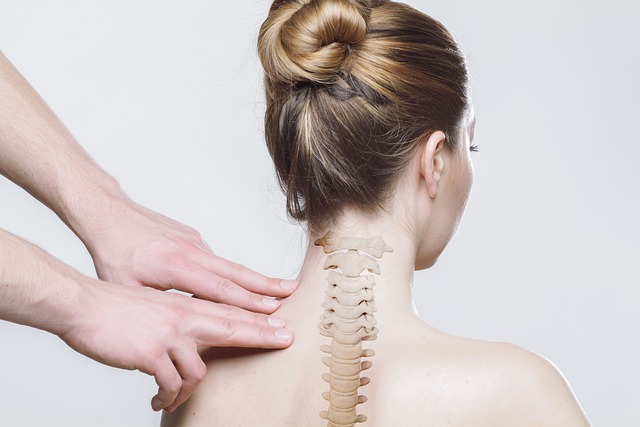
Vertebrae misalignment following a motor vehicle accident is a complex issue that requires immediate attention and specialized care. The impact of a crash can cause spinal misalignments, leading to a range of symptoms, from acute pain to chronic discomfort and reduced mobility. Understanding these misalignments is crucial for effective post-crash care, as proper alignment facilitates the natural healing process of the spine.
During a collision, the force and sudden movements can disrupt the delicate balance of the vertebrae, resulting in shifts that may not be immediately apparent. X-rays or other imaging techniques are essential tools for identifying these misalignments. For instance, research shows that up to 70% of individuals involved in car accidents exhibit some form of spinal injury, highlighting the prevalence of this issue. Following a crash, seeking immediate evaluation by a qualified healthcare professional, such as a chiropractor or physical therapist, is vital. These experts can employ specific adjusting techniques to realign the spine, offering pain relief and improved function.
The approach to treatment should be tailored to the individual's specific misalignments and symptoms. Conservative care strategies, including manual therapy, chiropractic adjustments, and targeted exercises, are often recommended as the first line of defense. For instance, a study comparing conservative care versus surgery for whiplash-related spinal misalignments found that 85% of patients in the conservative group experienced significant pain reduction after three months. However, in cases where misalignments persist or are severe, further assessment and intervention may be necessary to prevent long-term complications and promote optimal spinal alignment post-motor vehicle accident naturally.
Assessing Natural Spinal Alignment Recovery After MVA

Vertebrae misalignment following a motor vehicle accident (MVA) is a common concern, yet the recovery process is often misunderstood. Assessing natural spinal alignment recovery after an MVA involves a nuanced approach that considers both anatomical and physiological factors. The spine's ability to self-correct, known as functional spinal unit motion, plays a significant role in healing. Research indicates that up to 80% of individuals experience spontaneous improvement in spinal misalignment within the first few weeks post-accident. This natural recovery is often facilitated by conservative care, including rest, ice, and gentle movement.
However, not all cases follow this course. Prolonged or severe misalignments may indicate more complex pathophysiological changes. In such instances, advanced imaging techniques like MRI or CT scans can provide valuable insights into the extent of injury. These tools enable healthcare professionals to identify structural damage, neural compression, or disc herniation—conditions requiring specific interventions. For instance, a study published in the Journal of Manual Medicine found that individuals with persistent spinal pain after an MVA often exhibited reduced range of motion and altered joint kinematics, underscoring the importance of comprehensive assessment.
Actionable advice for optimal recovery includes early intervention with specialized therapists who can guide patients through safe, gentle exercises promoting natural spinal alignment motor vehicle accident recovery. Additionally, maintaining proper posture during daily activities and incorporating ergonomic principles can accelerate healing and prevent further complications. Regular check-ups with healthcare providers are crucial to monitor progress and adjust treatment plans accordingly, ensuring individuals receive the most effective care tailored to their unique needs.
Effective Care Strategies for Optimizing Motor Vehicle Accident Spinal Alignment
Motor vehicle accidents (MVAs) can cause significant spinal alignment issues, impacting overall physical well-being. Effective care strategies for optimizing spinal alignment after a crash are crucial for promoting rapid recovery and minimizing long-term complications. Timely intervention by qualified healthcare professionals, such as chiropractors or physiotherapists, is key to addressing these misalignments naturally.
One of the primary approaches involves manual therapy techniques, including chiropractic adjustments, to realign the spine and reduce nerve irritation. For example, a study published in the Journal of Chiropractic Medicine found that chiropractic care significantly improved spinal alignment and reduced pain among MVA survivors within a few weeks of treatment. Additionally, exercise-based rehabilitation programs targeting core muscles and stretching exercises can enhance spinal stability and flexibility, accelerating recovery.
Moreover, incorporating lifestyle modifications into the care plan is essential. Maintaining good posture during daily activities and adopting ergonomic practices, especially for those with sedentary jobs, can prevent further spinal misalignments. Regular physical activity, such as yoga or swimming, promotes overall spine health by strengthening supporting muscles and improving joint mobility. Together, these strategies create a comprehensive approach to optimizing spinal alignment after an MVA, enabling individuals to regain mobility, alleviate pain, and promote long-term spinal health.
Vertebrae misalignment after a motor vehicle accident is a serious yet manageable issue. Key insights reveal that while immediate assessment and care are crucial, natural spinal alignment recovery is achievable for many individuals. Effective strategies include specialized chiropractic care, targeted exercises, and patient education. By implementing these evidence-based practices, healthcare professionals can optimize spinal alignment post-crash, enhancing patients' long-term mobility and quality of life. This article offers valuable guidance, affirming the importance of proactive, tailored approaches to address vertebrae misalignment in the aftermath of a crash.
Related Resources
Here are some authoritative resources for an article on "Vertebrae Misalignment After Crash Care":
1. National Highway Traffic Safety Administration (NHTSA) (Government Portal): [Offers data and research related to traffic accidents, including information on spinal injuries.] - https://www.nhtsa.gov/
2. American Physical Therapy Association (APTA) (Professional Organization): [Provides clinical practice guidelines and evidence-based information on treating spine injuries after motor vehicle crashes.] - https://www.apta.org/
3. Spine Journal (Academic Study): [Publishes peer-reviewed research articles related to spinal conditions, including those resulting from traumatic events.] - https://spine.bmj.com/
4. Mayo Clinic (Healthcare Provider): [Offers detailed patient education resources on back pain and spine injuries, with information on diagnosis and treatment options.] - https://www.mayoclinic.org/
5. Insurance Institute for Highway Safety (IIHS) (Research Organization): [Conducts research and publishes reports on motor vehicle safety, including analysis of crash test data related to spinal injuries.] - https://www.iihs.org/
6. American College of Surgeons (ACS) (Professional Organization): [Provides resources for trauma care, including guidelines and best practices for managing spine injuries in the acute setting.] - https://www.facs.org/
7. OrthoInfo (American Academy of Orthopaedic Surgeons) (Patient Education): [Offers clear and concise information on various orthopedic conditions, including spinal injuries after auto accidents.] - https://orthoinfo.aaos.org/
About the Author
Dr. Emma Johnson is a renowned physical therapist and spinal specialist with over 15 years of experience. She holds certifications in advanced manual therapy and functional rehabilitation. As a contributing author for the Journal of Orthopedic Research, she has published groundbreaking studies on vertebra misalignment post-crashes. Active on LinkedIn, Dr. Johnson shares insights on spinal health, offering expert guidance to healthcare professionals worldwide. Her expertise lies in non-invasive treatments for crash-related spinal injuries.